In disaster-prone regions such as the coastal and Char areas of Bangladesh, residents face immense challenges in securing stable incomes due to recurrent natural calamities that destroy small farms and businesses. For many women, who are predominantly reliant on men for their livelihoods, this economic hardship leads to unmet basic needs, exacerbating gender disparities and contributing to issues like child marriage.
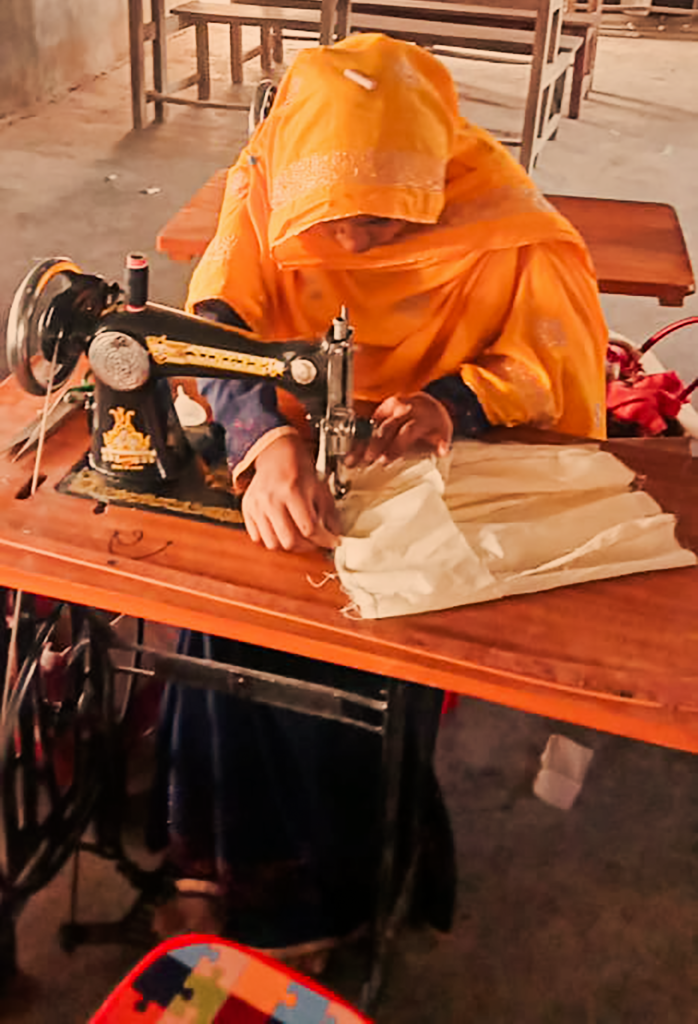
To break this cycle, AMAL Foundation has implemented the Tumi Shompurna Project, which focuses on skill development to foster climate-resilient communities. In this initiative, a group of women received comprehensive training in sewing and stitching over a span of three months, equipping them with boutique skills that will allow them to create sustainable livelihoods.
Upon completing their training, each woman was provided with a personal sewing machine, ensuring they had the tools necessary to turn their skills into a steady source of income. The project successfully trained 21 women, all of whom are now earning a decent income, contributing to their families’ expenses, and enjoying greater economic independence.
The Tumi Shompurna Project has not only provided these women with practical, income-generating skills but has also empowered them to take charge of their financial futures. By becoming financially self-sufficient, they have gained social standing and are helping to create a more gender-equal society.